




Category: Camp Blogs
Role Models at Camp: Counselors Who Inspire
The Camp Effect: What Kids Remember Forever
The Camp Effect: What Kids Remember Forever
As summer approaches, many kids are already beginning the countdown to camp.
Parents often notice it too. A child starts talking about counselors from last summer, remembers a favorite camp game, or asks whether an old camp friend will be coming back again this year. Sometimes these memories resurface months later in the middle of winter completely out of nowhere.
What is interesting is that children rarely remember camp because of one single activity.
They remember how camp made them feel.
They remember feeling confident enough to try something new. They remember laughing with friends at lunch. They remember a counselor who encouraged them when they were nervous. They remember finally feeling like they belonged somewhere.
That is part of what makes camp experiences so powerful and why those memories often stay with children for years.
Research continues to support what many parents and camp professionals have observed for decades. Studies from the American Camp Association’s National Camp Impact Study and long-term developmental research published through the National Institutes of Health have found that camp experiences can positively influence confidence, independence, friendship skills, emotional growth, and resilience long after summer ends.
Part of this comes from the fact that camp creates experiences that feel meaningful and emotionally important to children.
At camp, kids step outside of their normal routines. They try activities they may never attempt at school. They spend entire days interacting face-to-face with other children rather than through screens. They solve problems, navigate friendships, make decisions, and experience small moments of independence throughout the day.
These moments matter more than many people realize.
Sometimes the most important thing a child gains from camp is not a specific skill, but a new belief about themselves.
A quiet child discovers they can make friends.
A nervous camper realizes they are capable of trying difficult things.
A child who struggles socially at school finds a place where they feel accepted and included.
These experiences help shape identity in ways that can last far beyond one summer.
And often, the memories children carry with them forever are surprisingly simple.
It may be walking to activities with a group of friends. Singing songs during lunch. Laughing during a silly game. Sitting with a counselor who made them feel safe and understood. Feeling proud after finally succeeding at something they were unsure about earlier in the week.
Children may not remember every activity schedule or every detail of camp years later, but they almost always remember how camp made them feel.
That matters even more today.
Modern childhood is often highly structured, heavily scheduled, and increasingly connected to screens. Opportunities for unstructured play, independence, and real-world social interaction have become more limited for many children.
Camp provides something that is becoming increasingly rare: a place where kids can simply be kids.
They spend their days outdoors, interacting with peers, solving problems, building friendships, and developing confidence through experience rather than instruction alone.
Years from now, most children probably will not remember every detail of a particular summer. But many of them will remember camp.
They will remember the friendships, the traditions, the laughter, the independence, and the feeling of belonging.
That is the camp effect.
And for many kids, it lasts forever.
Teamwork in Action: Building Leaders Through Camp
Teamwork in Action: Building Leaders Through Camp
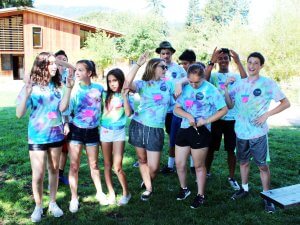
Every parent wants their child to grow into a confident leader but leadership doesn’t start with giving directions. It starts with learning how to work with others.
At camp, teamwork isn’t something we talk about, it’s something kids experience every single day.
Why Teamwork Matters
In today’s world, kids often operate in structured environments where outcomes are individual grades, scores, performance. But real life doesn’t work that way.
Leadership is built on:
- Communication
- Cooperation
- Empathy
- Problem-solving with others
Organizations like the American Camp Association emphasize that camp environments are uniquely effective in developing these skills because they place kids in shared experiences where success depends on the group—not the individual.
How Camp Naturally Builds Teamwork
At camp, teamwork isn’t forced, it happens organically through:
1. Group Challenges
Whether it’s building a shelter, completing a scavenger hunt, or solving a problem together, kids learn quickly that success comes from listening and contributing.
2. Cooperative Games
Unlike traditional competitive sports, many camp games are designed so that:
- Everyone has a role
- Winning requires collaboration
- Encouragement matters as much as skill
3. Shared Responsibilities
Simple things like cleaning up, organizing gear, helping younger campers all teach accountability and the idea that everyone contributes to the group’s success.
Earth Day Connection
Earth Day is a perfect example of teamwork in action.
Caring for the environment is not something one person can do alone, it requires collective effort. Camp mirrors this idea in a way kids understand:
- Working together to clean up spaces
- Respecting shared environments
- Learning that small actions add up when everyone participates
It’s a powerful, tangible lesson: we’re part of something bigger than ourselves.
The Leadership Outcome (Why It Matters Long-Term)
What’s interesting is that kids don’t walk away from camp saying, “I learned teamwork.”
Instead, they come home:
- More confident speaking up
- More aware of others’ perspectives
- More willing to step in and help
That’s leadership in its earliest and most important form.
Because real leadership isn’t about being in charge, it’s about being someone others can rely on.
Closing Thought
In a world that often emphasizes individual success, camp offers something different.
It teaches kids how to succeed together.
And in doing so, it quietly builds the kind of leaders the world actually needs.
Teamwork isn’t taught. It’s experienced. At camp, kids learn to lead by learning how to work together.
Empathy in Action: Learning Through Shared Experiences
Empathy in Action: Learning Through Shared Experiences
As we move through March and reflect on the spirit of the International Day of Happiness, it’s a great time to think about one of the most important life skills children can develop: empathy. At camp, empathy isn’t something we sit down and teach.
It’s something kids experience together, every single day.
Through shared moments, teamwork, and simple daily interactions, campers learn how to understand, support, and connect with others in meaningful ways.
________________________________________
Why Empathy Matters More Than Ever
Empathy is the ability to understand and share the feelings of others. It helps children:
• Build stronger friendships
• Navigate social challenges
• Become more confident and self-aware
Research from the Greater Good Science Center shows that empathy is closely tied to:
• Increased happiness
• Better relationships
• Stronger emotional resilience
It’s not just a social skill, it’s a foundation for lifelong success and well-being.
________________________________________
How Camp Naturally Builds Empathy
At Mountain Camp Woodside, empathy grows naturally because kids are constantly interacting, collaborating, and learning together.
1. Shared Experiences Create Understanding
Every day at camp is filled with moments that bring kids together:
• Trying a new activity
• Learning a skill
• Navigating something unfamiliar
When kids share these experiences, they begin to recognize: “Everyone is learning, growing, and figuring things out just like me.” That realization builds patience, understanding, and connection.
________________________________________
2. Collaboration Builds Perspective
Camp is built on working together. Whether it’s:
• Team games
• Group challenges
• Creative projects
• Organizing a skit or event
Campers quickly learn that success often depends on listening, cooperating, and supporting one another. They begin to:
• Appreciate different strengths
• Adapt to different personalities
• Understand how their actions affect others
That’s empathy in action.
________________________________________
3. Inclusion Becomes a Daily Habit
In a camp environment, kids are constantly meeting new people and forming new groups. They’re encouraged to:
• Invite others to join
• Be aware of who might feel left out
• Help others feel comfortable and included
Over time, these small actions become second nature. Inclusion shifts from something they’re told to do… to something they naturally choose to do.
________________________________________
4. Counselors Model Empathy in Real Time
Our counselors play a key role by modeling empathy throughout the day. They:
• Listen and validate feelings
• Guide campers through conflicts
• Encourage perspective-taking
Because these moments happen in real time, kids don’t just hear about empathy, they see it, feel it, and practice it.
________________________________________
From Camp to the Real World
The empathy kids develop at camp doesn’t stay at camp. It shows up:
• In the classroom
• On sports teams
• At home with family and siblings
They become:
• Better communicators
• More supportive friends
• More aware of the people around them
And ultimately, more confident in how they navigate the world.
________________________________________
Why It Matters for Your Child
As parents, we all want our kids to:
• Build meaningful relationships
• Feel confident in social situations
• Grow into thoughtful, capable individuals
Empathy is at the center of all of that. At camp, kids aren’t just participating in activities, they’re learning how to connect, collaborate, and care about others.
And those are the kinds of lessons that last far beyond the summer.
Outdoor Skills & Independence: Letting Kids Do Hard Things
 Outdoor Skills & Independence: Letting Kids Do Hard Things
As spring approaches and families begin planning for spring break and summer adventures, many parents find themselves asking an important question: How can I help my child become more confident and independent?
One of the most powerful answers is surprisingly simple, give kids the opportunity to do hard things.
Outdoor experiences like hiking, survival skills, and hands-on challenges provide children with real-world opportunities to develop grit, resilience, and self-belief. These are not just camp activities, they are life-building experiences that shape how children approach challenges long after the trail ends.
Why “Hard Things” Matter
In today’s highly structured and achievement-focused world, children often have fewer chances to struggle productively. Many challenges are either removed for them or solved quickly by adults. While this support comes from a place of love, it can unintentionally limit a child’s opportunity to build independence and perseverance.
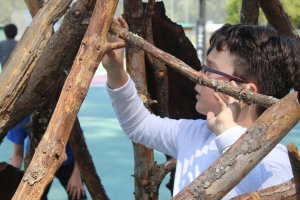
Outdoor skill development changes that dynamic. When a child learns to read a trail map, build a shelter, filter water or complete a long hike, they experience a powerful internal shift. They begin to realize: “I can figure this out.”
Research and thought leadership from youth development professionals including insights shared in Camping Magazine’s discussions on building grit through challenge, emphasize that appropriately difficult outdoor tasks help children develop:
• Problem-solving skills
• Emotional resilience
• Self-confidence
• Adaptability in unfamiliar situations
These experiences teach kids that effort matters more than immediate success.
The Confidence That Comes from Competence
One of the unique benefits of outdoor challenges is that they produce visible, tangible accomplishments. A child who hikes to a scenic overlook or successfully lights a camp stove doesn’t just feel capable, they have proof.
This sense of earned confidence is very different from praise that comes without effort. It is grounded in real achievement and tends to stick.
Outdoor skill development also encourages teamwork and leadership. Children learn to support peers, share responsibilities, and contribute meaningfully to group success. These social-emotional benefits are just as important as the physical skills they gain.
Spring Break: A Perfect Time to Start
Spring break presents an ideal opportunity for families to introduce more outdoor independence. Whether it’s a day hike, a backyard camping experience, or practicing basic survival skills like knot-tying or navigation, small steps can make a big impact.
Parents don’t need to plan elaborate trips to foster growth. What matters most is allowing children to take ownership of age-appropriate challenges. Let them carry their own pack, help plan the route, or solve minor obstacles along the way.
These moments build the foundation for long-term confidence and resilience.
Preparing Kids for the Future
Ultimately, outdoor challenges prepare children for more than just camp or recreational activities. They help young people develop a mindset that embraces effort, persistence, and curiosity.
When kids learn that discomfort and difficulty are part of growth, they become more willing to try new things in school, friendships, sports, and life.
By encouraging children to step outside their comfort zones this spring, families are not just planning activities, they are helping shape capable, confident, and independent young people ready to navigate whatever paths lie ahead.
Friendship & Community: The Social Heart of Camp
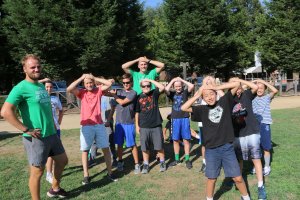
As Valentine’s Day approaches each February, conversations often center on love, kindness, and connection. While the holiday typically highlights family and close friendships, it also offers a meaningful reminder of something children deeply need year-round: a genuine sense of belonging. One of the most powerful places where that belonging naturally grows is summer camp.
At Mountain Camp Woodside, friendship and community are not side effects of the camp experience. They are the heart of it. From the first morning introductions to the final day goodbyes, campers are immersed in an environment intentionally designed to help them connect with others, feel accepted, and discover their place within a group.
Where Friendship Begins
Unlike school environments that are often structured around academics and performance, camp creates space for kids to simply be together. Shared camper groups, team challenges, meals side by side, and long afternoons of play all create repeated opportunities for connection. These everyday moments such as laughing during a silly skit, cheering a friend on at archery, or solving a group challenge together form the foundation of real friendship.
Research in child development consistently shows that strong peer relationships are central to social emotional growth. Experiences that encourage cooperation, empathy, and communication help children build confidence in social settings and develop skills that last far beyond childhood. Camp provides this kind of immersive social learning naturally without lectures or worksheets. Real life lived together becomes the teacher. Insights from the Harvard Graduate School of Education highlight how out of school experiences like camp support social development and independence. You can explore this research here: https://www.gse.harvard.edu/ideas/usable-knowledge/16/07/lessons-camp
Living in Community
Friendship at camp quickly grows into something larger: community. Campers learn what it means to share space, include others, navigate differences, and support one another. They practice resolving small conflicts, taking turns, encouraging teammates, and celebrating group success. These are foundational life skills that are quietly learned through daily interaction.
For many children, camp may be the first place where they feel fully known and accepted outside of their family. That feeling of belonging can be transformative. When kids know they are valued, they are more willing to try new things, take healthy risks, and express their true selves. Findings from the American Camp Association’s National Camp Impact Study reinforce this, showing strong gains in friendship skills, independence, and sense of belonging among campers. Learn more here: https://www.acacamps.org/resources/national-camp-impact-study
This is especially meaningful in today’s world, where digital communication can sometimes replace face to face interaction. Camp restores the simple but powerful experience of being present with others. Children talk, laugh, collaborate, and grow together in real time.
The Lasting Impact of Connection
The friendships formed at camp often extend far beyond the summer months. Campers write letters, reunite the following year, and carry shared memories that become part of their personal story. Just as important, they carry forward the social confidence they developed. This includes confidence to introduce themselves, join new groups, and build relationships in school and life. Research summarized by the Greater Good Science Center connects belonging and positive peer relationships with long term emotional well being. Explore related studies here: https://greatergood.berkeley.edu/resources/studies
Parents frequently tell us that after camp, their children seem more independent, more empathetic, and more comfortable connecting with others. These changes are not accidental. They are the natural result of living in a supportive community where kindness, respect, and inclusion are practiced every day.
Belonging That Lasts All Year
Valentine’s Day reminds us that connection is one of the deepest human needs. Summer camp answers that need in a powerful and lasting way. It gives children a place where they are welcomed, friendships grow naturally, and community becomes something they help create.
In a fast moving world, that sense of belonging may be one of the greatest gifts camp can offer. Long after the season ends, the friendships and the confidence to build new ones continue to shape who campers become.
Why Our Kids Need Nature, Wonder, and Awe
Why Our Kids Need Nature, Wonder, and Awe
Our partner camp, Mountain Camp, recently shared the following blog post from their camp in the Sierra Nevada mountains near Lake Tahoe, where vast forests, alpine lakes, and wide-open spaces are part of everyday camp life. Their campers are immersed in a landscape that naturally invites exploration, reflection, and connection with the outdoors.
While we may not have the sweeping mountain vistas or high-alpine terrain of the Sierras here at Mountain Camp Woodside, we are incredibly fortunate to be surrounded by our own rich and meaningful natural environment. From winding trails and shaded groves to open fields and quiet outdoor spaces, our campus offers daily opportunities for campers to slow down, explore, and build a genuine connection with nature.
Across our family of camps: Mountain Camp Woodside, Farm Camp, Mountain Camp – Tahoe, and Mountain Camp Marin, it’s this shared commitment to outdoor experiences—whether in the Sierra mountains, upper Sonoma county, Marin or right here in Woodside, that helps kids grow more confident, curious, and connected to the world around them.
Nature Scavenger Hunt
Imagine your child standing beneath towering pine trees, listening to the wind move through the forest, or looking up at a sky full of stars near Lake Tahoe. Those moments of wonder aren’t just beautiful—they’re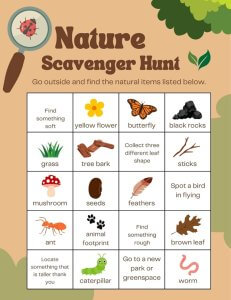 deeply meaningful. Research shows that experiences of awe in childhood support emotional well-being, curiosity, and resilience. Awe helps children feel connected to something bigger than themselves, which can reduce stress and promote a sense of calm and perspective (Psychology Today, 2023).
Awe plays a powerful role in social and emotional development. Studies suggest that when children experience awe—often through nature—they become more empathetic, generous, and cooperative. Feeling small in the presence of something vast, like mountains or ancient trees, helps kids shift their focus away from themselves and toward others, strengthening kindness and social connection (Greater Good Science Center, “Feeling Awe Might Help Kids Be More Generous”).
Beyond awe itself, regular time in nature helps children thrive. Outdoor experiences are linked to improved attention, reduced anxiety, better emotional regulation, and increased happiness. Nature offers kids a break from constant stimulation and screens, allowing their nervous systems to reset. Even short moments outdoors—unstructured play, quiet observation, or creative exploration—can have lasting positive effects on mental health and overall development (Greater Good Science Center, “How Moments in Nature Help Kids Thrive”).
Nature also supports learning in ways that classrooms alone cannot. When children explore outdoors, they naturally practice problem-solving, creativity, collaboration, and scientific thinking. Climbing over logs, noticing animal tracks, or asking questions about plants encourages curiosity and confidence. These hands-on experiences help children build independence and a lifelong love of learning rooted in real-world discovery (Psychology Today, 2023).
At Mountain Camp, we see these benefits come to life every summer. Time spent hiking forest trails, playing beneath tall trees, and marveling at the natural beauty around Icehouse Reservoir gives children space to experience awe, build resilience, and grow in confidence. We encourage families to continue these experiences at home—get outside together, slow down, and notice the wonders around you. To get started, try completing the Nature Scavenger Hunt we’ve attached and see where curiosity and awe take your family next!
Sources
- Psychology Today. 11 Benefits of Experiencing Awe in Childhood (2023)
https://www.psychologytoday.com/us/blog/beyond-school-walls/202303/11-benefits-of-experiencing-awe-in-childhood - Greater Good Science Center, UC Berkeley. Feeling Awe Might Help Kids Be More Generous
https://greatergood.berkeley.edu/article/item/feeling_awe_might_help_kids_be_more_generous - Greater Good Science Center, UC Berkeley. How Moments in Nature Help Kids Thrive
https://greatergood.berkeley.edu/article/item/how_moments_in_nature_help_kids_thrive
Discover how time in nature and experiences of awe support children’s emotional growth, resilience, and well-being at Mountain Camp near Lake Tahoe.
- benefits of nature for children
- outdoor experiences for kids
- nature-based summer camp
- importance of outdoor play for kids
- children and nature connection
- summer camp in nature
- outdoor learning for children
- Lake Tahoe summer camp
- California wilderness summer camp
- mountain summer camp for kids
- forest summer camp near Lake Tahoe
- outdoor kids camp in California
Why Summer Camp Still Matters in 2026
Why Summer Camp Still Matters in 2026
As the world becomes more digitized, fast-paced, and performance-driven, the timeless experience of summer camp stands out as a place where kids can unplug, reconnect with nature, build community, and grow in ways that schools and screens can’t replicate. In 2026, perhaps more than ever, summer camp continues to be a vital part of a child’s development and not just during the warm months.
A Counterbalance to an Overscheduled World
Children today are facing increased pressure from academic expectations, competitive extracurriculars, and constant digital connectivity. According to Harvard’s Usable Knowledge project, kids need time to decompress and engage in low-stakes exploration to develop creativity, self-direction, and resilience. Summer camp offers that essential space for unstructured play, nature immersion, and personal discovery.
At Mountain Camp Woodside, we’ve seen how campers thrive when given the freedom to take risks in a safe and supportive setting. Whether it’s trying archery for the first time, getting on stage during a talent show, or hiking a trail with new friends, campers gain confidence that carries over into every part of their lives.
Community, Belonging, and Friendship
In an age where face-to-face connection is too often replaced with online interaction, camp provides a rare environment where authentic friendships bloom. According to the American Camp Association’s National Camp Impact Study, 93% of campers report that camp helped them make new friends and feel more connected to others. That sense of belonging is especially critical in today’s climate of social isolation and anxiety among youth.
Through shared experiences like team challenges, group games and activities, campers learn to live and cooperate with others, manage differences, and build empathy. These lessons in community aren’t taught, they are lived.
Lifelong Skills Beyond the Classroom
Camp is not just fun and games, it’s full of teachable moments. Kids learn how to solve problems collaboratively, navigate social dynamics, and adapt to new experiences. These “soft skills” like communication, flexibility, leadership, and empathy are increasingly recognized as essential for long-term success.
The Journal of Youth Development emphasizes that experiential environments like camp promote social-emotional learning and growth in ways that traditional classrooms struggle to offer. In 2026, as schools race to close academic gaps, summer camp remains a consistent force in fostering whole-child development.
A Place to Just Be a Kid
Perhaps one of the most overlooked benefits of summer camp is that it allows kids to simply be kids. To climb trees, laugh uncontrollably, wear costumes for no reason, and run barefoot through sprinklers. These aren’t frivolous moments, they are formative. They build memories, instill joy, and remind children (and parents) that life isn’t just about achievement.
As families begin to plan their summer, it’s worth remembering that summer camp is not just a childcare option or a break from school. It’s a profoundly meaningful experience that shapes identity, builds character, and leaves an emotional imprint for years to come.
In short, summer camp still matters in 2026 because kids still need what camp uniquely provides: connection, confidence, courage, and joy.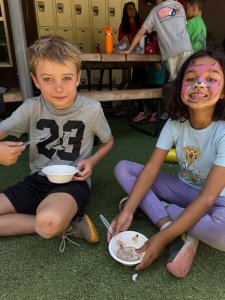
Around the Table: How Shared Meals Strengthen Our Camp Community
Around the Table: How Shared Meals Strengthen Our Camp Community
Our partner camp, Farm Camp, recently shared a blog post titled How Shared Meals Strengthen Our Camp Community, celebrating how something as simple as gathering around food can shape meaningful connections. At Farm Camp, those shared meals where campers slow down, enjoy warm conversations, and connect over good food become experiences that stay with them long after summer ends.
While our campers at Mountain Camp Woodside are not with us for breakfast or dinner like the overnight campers at Farm Camp, we deeply value the time they share during lunch and snack. Those moments, eating side by side, swapping stories, laughing with counselors, and taking a breath in the middle of an exciting day give kids a chance to refuel, both physically and emotionally.
That’s what we love across our family of camps: Mountain Camp Woodside, Farm Camp, Mountain Camp – Tahoe, and Mountain Camp Marin. It’s in those small shared experiences, whether around a campfire or lunch table, that friendships strengthen, kids feel seen and supported, and memories take root.
Why Shared Meals Matter
Recent research confirms what so many of us have felt that sharing meals is a powerful way to build connection, belonging, and well-being. According to the 2025 World Happiness Report (WHR), people who dine with others frequently report significantly higher life satisfaction, more positive emotions, and less negative affect across ages, cultures, and countries (6).
Eating together doesn’t just feed our bodies, it nurtures our social bonds. Numerous studies describe communal dining (sometimes called commensality) as a key ritual for forging and reinforcing trust, friendship, and sense of belonging (3).
Moreover, communal meals offer more than emotional benefits. For children and teens, regularly eating family-style meals, where everyone sits and eats together, is linked to better mental health, healthier eating habits, reduced risky behaviors, and even improved academic performance (1).
How This Aligns with Our Farm Camp Philosophy
When we look at our history and philosophy, we’re reminded that our camp was founded not just as a place to play and learn, but as a place to belong. On our “About” page, we talk about the importance of community, connection, and living in rhythm with the land, the animals and each other.
Our family-style breakfasts and dinners reflect those values intentionally. At each table, campers and counselors share food, stories, questions, and experiences. These moments often become the seeds of friendships, trust, and the kind of community that lasts long after camp is over. As our campers often say, “we start the week as a table full of strangers and end the week as a little family”.
In a world where more and more people dine alone, surrounded by screens or time constraints, our camp offers real, unhurried time together. Research suggests this matters: shared meals can improve emotional well-being, reduce loneliness, and strengthen social support networks (5).
What Happens at Our Tables
Here’s what typically happens when we sit down together at camp:
- Conversation & Listening. From tales about the day, hopes for the summer and beyond, to stories about home, mealtime becomes a space for sharing and reflection.
- Learning & Caring. Campers learn to serve themselves, pass dishes, and respect each other’s needs. Manners are modeled by counselors, and we always ask the table who would like more before we serve ourselves. Campers leave their time at camp more conscious and aware of the needs of others, and hopefully with bellies full of delicious food too!
- Laughter & Play. Jokes, spontaneous songs, silly games — these lighten the mood and help break down barriers. Do you know the games Vase-Face, Concentration or Chicken Taco? If not, ask your camper, it’s a great way to pass the time as you wait to be dismissed to do your dishes!
- Belonging & Trust. Over time, campers begin to feel seen and valued. Due in part to small table sizes, and a mix of ages and genders at the table, campers have the opportunity to be seen and heard by people with whom they otherwise may not have interacted. They make connections outside of their unit groups and have another touch point in the community.
These moments embody the spirit of our camp: cooperation, respect, shared growth, and belonging within the community.
Why It Matters
The benefits ripple beyond camp. Campers develop the habits of sharing meals, listening, and connecting, which helps young people build social confidence, empathy, and a sense of belonging. These are qualities that matter deeply in adulthood. Research shows that regular communal eating supports better mental health, more stable relationships, and overall well-being (2&4).For our camp community, shared meals anchor us. They remind us that we’re more than a group of individuals working or playing together. We are growing, caring, learning — together.
This month we wanted to share a beloved camp recipe with you and your family; Cinnamon Rolls! We hope that you’ll be able to bake these together and share them with those you love this holiday season.
- Bernardi, Elisabetta, and Francesco Visioli. “Fostering Wellbeing and Healthy Lifestyles through Conviviality and Commensality: Underappreciated Benefits of the Mediterranean Diet.” Nutrition Research, vol. 126, 1 June 2024, pp. 46–57, https://doi.org/10.1016/j.nutres.2024.03.007.
- Dunbar, R. I. M. “Breaking Bread: The Functions of Social Eating.” Adaptive Human Behavior and Physiology, vol. 3, no. 3, 2017, pp. 198–211, link.springer.com/article/10.1007/s40750-017-0061-4, https://doi.org/10.1007/s40750-017-0061-4.
- Jönsson, Håkan, et al. “What Is Commensality? A Critical Discussion of an Expanding Research Field.” International Journal of Environmental Research and Public Health, vol. 18, no. 12, 9 June 2021, p. 6235, www.mdpi.com/1660-4601/18/12/6235, https://doi.org/10.3390/ijerph18126235.
- “Shared Meals: A Predictor of Subjective Well-Being.” Center for Health & Well-Being, 2025, www.ie.edu/center-for-health-and-well-being/blog/shared-meals-a-predictor-of-subjective-well-being/.
- UCL. “Sharing Mealtimes with Others Linked to Better Wellbeing.” UCL News, 20 Mar. 2025, www.ucl.ac.uk/news/2025/mar/sharing-mealtimes-others-linked-better-wellbeing.
- “World Happiness Report 2025: People Are Much Kinder than We Expect, Research Shows | Saïd Business School.” Ox.ac.uk, 20 Mar. 2025, www.sbs.ox.ac.uk/news/world-happiness-report-2025-people-are-much-kinder-we-expect-research-shows.

Why Summer Camp Matters: Friendship, Growth, and the Magic of Community
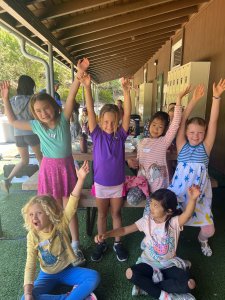
Every summer, something extraordinary happens when kids step into a camp environment: they grow. Not just in skills or confidence, but in friendships, in empathy, and in the joy of discovering who they are. Research from the American Camp Association (ACA) consistently shows that camp is a uniquely powerful developmental experience—boosting independence, social-emotional learning, and resilience in ways that school alone cannot provide.
You can explore these findings in the National Camp Impact Study and through additional insights on the ACA Camps Blog and Camping Magazine.
At Mountain Camp Woodside (MCW), we see this transformation every day—and we intentionally build our program around the core values that help make it possible.
Friendship, Community & Connection
A central theme in childhood development research—whether from the Greater Good Science Center or the Encyclopedia on Early Childhood Development—is the importance of belonging. Kids thrive when they feel part of a community. Camps provide exactly that. They meet new friends, collaborate during games and creative projects, and build relationships that often last long past the summer.
Read more from:
Greater Good Science Center Research Library:
https://greatergood.berkeley.edu/resources/studiesEncyclopedia on Early Childhood Development (Child-encyclopedia.com):
https://www.child-encyclopedia.com/
Harvard Graduate School of Education’s “Lessons from Camp” further emphasizes how camps create rare opportunities for children to connect deeply with peers in a low-pressure, high-support environment.
You can read it here:
https://www.gse.harvard.edu/ideas/usable-knowledge/16/07/lessons-camp
At MCW, our value of Community & Safety ensures that every camper feels included, supported, and welcomed—emotionally and physically.
Leadership, Teamwork & Positive Role Models
Clemson University’s Journal of Youth Development highlights how camp environments nurture leadership and collaboration by giving kids responsibility, structure, and encouragement. Their research discusses how supportive youth settings build skills that transfer far beyond camp.
Read the referenced article here:
https://open.clemson.edu/cgi/viewcontent.cgi?article=1085&context=jyd
Additionally, academic studies examining social-emotional development in group settings—such as those available through the National Institutes of Health—reinforce camp’s role in fostering positive relationships and strong role models.
Example article:
https://pmc.ncbi.nlm.nih.gov/articles/PMC10899333/
At MCW, our staff strives to embody Integrity, Hospitality, and Empowerment, giving campers the space to make choices, discover interests, and shape their experience in meaningful ways.
Creative Exploration & Skill Development
Whether it’s outdoor survival challenges, art and music projects, or team games, camp provides endless opportunities for kids to explore new interests. The Greater Good Science Center notes that creativity, play, and exploration are directly linked to improved emotional well-being and long-term resilience.
The ACA also emphasizes camp as a powerful experiential learning model—where hands-on discovery fuels personal growth.
More insights can be found in Camping Magazine:
https://www.acacamps.org/resources/camping-magazine
This aligns with our MCW value of Education & Growth, where we design our program to gently stretch campers and support them as they learn new skills, embrace challenges, and build confidence.
The Joy of Fun & Lasting Memories
Most importantly—camp is fun. And research shows that joy matters. Studies from ACA and developmental psychology publications emphasize that shared positive experiences help kids build gratitude, empathy, and a strong sense of identity.
That’s why Fun & Lasting Memories is a pillar of MCW. From classic day-camp traditions to community-building activities, we aim to create moments that campers and staff will treasure for years.
A Camp Experience Rooted in Values
Mountain Camp Woodside’s commitment to Tradition, Adaptability & Sustainability, and a smooth, parent-friendly experience ensures that our program grows with families and remains a place where every child can shine.
Summer camp is more than a week of fun—it is a deeply meaningful experience backed by decades of research. And at MCW, we are proud to bring that magic to life every single summer.