




Author: Mountain Camp Woodside
Role Models at Camp: Counselors Who Inspire
Role Models at Camp: Counselors Who Inspire
As summer approaches and families make final decisions about camp plans, one of the most powerful aspects to consider is the people at the heart of the experience: the counselors. These young adults do more than supervise, lead games, and sing songs around the campfire. They serve as role models whose influence often sticks with children long after the summer ends.
Why Camp Counselors Matter
At Mountain Camp Woodside, we believe that the quality of the counselor shapes the quality of the camper experience. Campers look up to their counselors not just because of their cool personalities or impressive four-square skills, but because of how they make them feel—safe, seen, supported, and inspired. The relationships that blossom between campers and counselors are central to everything we do.
Good counselors model what it means to be kind, empathetic, and confident. They demonstrate how to solve conflicts with maturity, how to stay positive in challenging situations, and how to be responsible leaders even when no one is watching. For many kids, especially those navigating the ups and downs of elementary and middle school, counselors provide an example of who they might want to become.
The Power of Relatable Leadership
What makes camp counselors so uniquely effective as role models? It’s their relatability. They’re old enough to command respect but young enough to be approachable. They straddle the line between peer and authority figure, making them ideal mentors. Whether it’s encouraging a nervous camper to try archery for the first time or helping to mediate a disagreement between group mates, counselors use everyday camp moments as opportunities to teach life skills.
And unlike teachers or coaches in more structured environments, camp counselors often have the freedom to connect with kids in a more personal, informal way. These relationships are forged over shared meals, long hikes, group games, and even silly talent shows.
Choosing the Right Staff
As we prepare for another unforgettable summer at Mountain Camp Woodside, we are meticulous in our hiring process. We seek out staff who are not only responsible and enthusiastic but who also embody the values we want our campers to learn: inclusivity, integrity, curiosity, and compassion.
We don’t just train counselors on safety protocols and activity schedules. We invest time in helping them understand the immense responsibility they have as role models. During staff training, we emphasize emotional intelligence, growth mindset, and how to lead by example.
A Lasting Impact
When campers head home after their time with us, they take more than just friendship bracelets and dusty sneakers. They carry with them the lessons they’ve learned from their counselors—lessons about perseverance, teamwork, and believing in yourself. Often, campers return year after year because of a counselor who made them feel special, understood, or empowered.
In short, the magic of camp doesn’t just come from the activities or the beautiful setting—it comes from the people. And the most impactful of those people are often the counselors who inspire, encourage, and lead by example.
This summer, as you finalize your plans, remember that the right camp staff can make all the difference. Because behind every confident camper is a counselor who showed them how to shine.
The Science of Skill Development: Camp Activities That Last a Lifetime

May 1 is College Decision Dayv, a milestone that represents the next big step for students on their journey toward adulthood. While college is often seen as the launchpad for future success, the real foundation starts much earlier—often at summer camp. Long before young people are choosing majors or mapping out careers, they’re developing real-world skills in the most unexpected of places: during a team scavenger hunt, while leading a cabin group, or figuring out how to pitch a tent with friends.
According to research compiled in PubMed Central (PMCID) articles, the social, emotional, and cognitive skills built in youth programming like summer camp are directly linked to long-term academic, professional, and personal success. These “soft skills”—like communication, leadership, adaptability, and problem-solving—are just as essential as technical know-how when it comes to navigating life’s transitions.
The Camp-to-Life Skill Pipeline
At first glance, camp might look like it’s all fun and games—and it is fun—but behind every activity lies the chance to build skills that stick. Here’s how camp cultivates lifelong abilities:
- Teamwork & Collaboration – Whether working on a group challenge or organizing a talent show, campers learn how to listen, cooperate, and lead. These are the same skills that show up in study groups, internships, and professional teams.
- Resilience & Confidence – From trying new activities to facing small setbacks, campers are encouraged to take risks in a supportive environment. That process strengthens self-trust and mental flexibility—qualities that help with college transitions, job interviews, and everyday adult decisions.
- Time Management & Responsibility – Even in a relaxed camp setting, kids learn the importance of being on time, following through, and contributing to group success. These habits form the backbone of future academic and workplace accountability.
- Public Speaking & Communication – Activities like camp skits, group discussions, and counselor-led reflections help campers find their voice, a skill that carries over into classrooms, relationships, and leadership roles.
- Creative Problem Solving – With limited resources and a spirit of play, campers brainstorm, build, and try again—whether they’re making a shelter out of sticks or designing a relay race. That ability to solve problems with creativity and persistence is a lifelong advantage.
Translating Camp Skills to Life Transitions
The transition to college—and eventually adulthood—can feel overwhelming. But kids who have practiced being away from home, navigating new environments, and making decisions on their own already have a head start.
Camp serves as a practice ground for independence, giving kids a safe place to make choices, learn from mistakes, and grow without pressure. By the time they reach major milestones like College Decision Day, they’re more prepared to handle the emotional and practical challenges that come with it.
More Than Just Summer Fun
Summer camp isn’t just a break from school—it’s a boost for the future. The friendships, the laughter, the unplugged adventures—they all build a foundation of resilience, adaptability, and self-awareness.
As families look ahead to summer and beyond, it’s worth remembering that the best life skills aren’t always taught in a classroom. Sometimes, they’re learned while climbing a rope, leading a team, or standing up to perform in front of peers.
Because the science of skill development is clear—and camp delivers it in the most memorable and meaningful way.
Earth Day and Camp: Fostering a Love for Nature
The Power of Play: Physical Activity and Fun at Camp
The Power of Play: Physical Activity and Fun at Camp
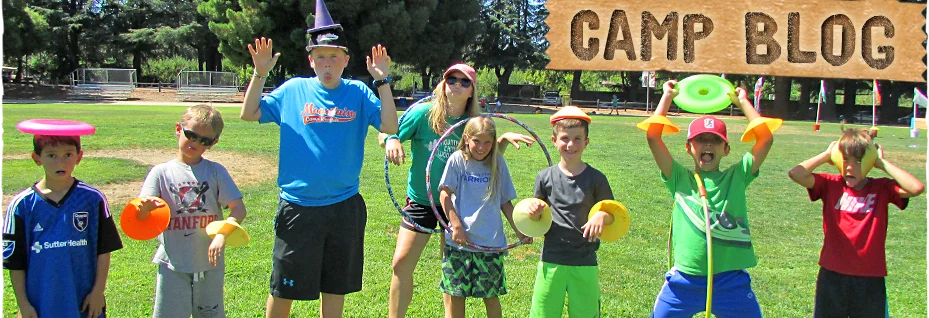
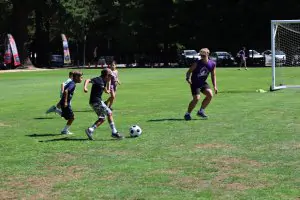
As spring stretches its legs and the days grow warmer, it’s the perfect time to talk about one of the most joyful and essential parts of camp life: play. April 3 marks National Walking Day, a reminder of the benefits of movement, fresh air, and being active. At camp, physical activity isn’t a chore—it’s woven into the rhythm of every day. Whether it’s a hike through the woods, a game of capture the flag, or a silly relay race, camp offers endless opportunities for kids to move, explore, and thrive.
According to research from Clemson University’s Open Campus initiatives, physical activity is not just good for kids’ bodies—it’s also deeply connected to their mental health, emotional regulation, and overall well-being. Camp combines movement and fun in a way that makes exercise feel exciting rather than obligatory, helping campers develop healthy habits and a lifelong love for being active.
Why Physical Activity Matters at Camp
While screens, busy schedules, and sedentary routines dominate many kids’ lives, camp is a refreshing reset—a chance to reconnect with the joy of movement.
Here’s how physical play at camp supports children’s development:
- Boosts Physical Health – Activities like hiking, swimming, and running around outside improve cardiovascular fitness, strength, and flexibility—all while kids are s
![]() imply having fun.
imply having fun. - Improves Mood and Reduces Stress – Studies show that movement, especially in nature, helps release endorphins and lowers cortisol levels, leading to calmer, happier campers.
- Strengthens Social Skills – Games and team sports teach communication, cooperation, and problem-solving. Whether working together or competing, campers build trust and form bonds.
- Encourages Resilience – Trying a new skill (and maybe failing a few times) helps kids develop persistence, confidence, and a growth mindset.
 imply having fun.
Camp Activities That Get Kids Moving
At camp, play comes in all shapes and sizes—structured and spontaneous, fast-paced and slow-moving. Here are a few camper favorites:
- Active Games – Classic camp games like Gaga Ball, kickball, and tag get hearts pumping while encouraging friendly competition.
- Adventure Hikes & Nature Walks – Not only do these align perfectly with National Walking Day, but they also give kids the chance to explore, observe, and feel a part of the natural world.
- Obstacle Courses & Relays – These challenges build physical strength and teamwork—and they’re packed with laughter and excitement.
- Dance & Movement Sessions – Whether it’s a morning warm-up dance or a camp-wide talent show, music and movement go hand in hand at camp.
- Creative Free Play – Sometimes the best movement happens when campers invent their own games, chase butterflies, or build forts out of logs and branches.
Lasting Impact of Movement and Play
What begins as simple fun at camp can have a lasting effect on kids’ relationship with physical activity. By associating movement with joy, freedom, and friendship, campers are more likely to seek out active lifestyles year-round. They return home stronger—not just physically, but emotionally too.
As we celebrate National Walking Day and the arrival of spring, it’s a great time to remember that play isn’t just fun—it’s foundational. At camp, kids don’t just play games—they grow through them.
Let’s keep them moving, laughing, and thriving—one step, jump, and joyful sprint at a time.
Spring into Summer: How to Prepare Your Child for Camp Success
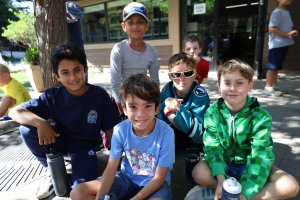
As the first day of spring arrives, so does the excitement of warmer days, outdoor adventures, and the countdown to summer camp! Spring is the perfect time for families to start preparing their children for a successful and enriching camp experience. Whether your child is a first-time camper or a seasoned pro, proper preparation—both mentally and emotionally—can help them feel confident and excited about the journey ahead.
Why Preparation Matters
Summer camp is an opportunity for kids to grow in independence, make new friends, and try new experiences in a supportive and fun environment. However, being away from home (even for a day camp) can bring up a mix of emotions—excitement, nervousness, or even a little uncertainty. By gradually preparing your child for camp, you can help ease their worries and set them up for a positive experience.
Tips for a Smooth Transition to Camp
- Talk About Camp Early and Often
The more familiar kids are with what to expect, the more comfortable they will feel.
- Discuss the daily routine, activities, and what a typical camp day looks like.
- Highlight the fun aspects—new friends, cool games, and special traditions.
- Acknowledge their feelings—whether they’re excited or nervous, reassure them that it’s normal to feel a mix of emotions.
- Encourage Independence
Camp gives kids a chance to practice independence, and small steps at home can help prepare them.
- Let them make decisions, like picking out their clothes or packing their backpack.
- Encourage responsibility, such as keeping track of their belongings or completing small chores on their own.
- Practice problem-solving, like what to do if they forget something or need help.
- Build Social Confidence
Camp is a social experience, and even outgoing kids benefit from a little practice.
- Role-play introductions and conversations to help them feel comfortable meeting new people.
- Encourage group activities, like playdates or team sports, to build confidence in new social settings.
- Remind them that everyone at camp is in the same boat—they’ll be surrounded by kids also looking to make friends!
- Get Comfortable with the Outdoors
For many kids, camp is a chance to spend more time outside than usual.
- Take short outdoor adventures, like hikes or picnics, to get them used to being active outside.
- Practice applying sunscreen and staying hydrated, so they can do it on their own at camp.
- Encourage curiosity about nature, whether it’s looking for bugs, watching birds, or collecting leaves.
- Pack Smart & Keep It Simple
Help your child pack for camp with a “less is more” approach.
- Label everything to avoid mix-ups.
- Let them help pack, so they know where everything is.
- Include a comfort item, like a small note from home or a favorite hat, to ease nerves.
The Lasting Impact of Preparation
The best part about preparing for camp? It builds confidence, not just for summer but for life. Kids who feel ready for camp are more likely to try new things, make connections, and embrace challenges with a positive attitude.
As spring ushers in a season of renewal, it’s time to embrace the excitement of the months ahead. By preparing now, your child will be ready to spring into summer with confidence, enthusiasm, and a love for adventure.
Creative Exploration: Sparking Imagination Through Camp Activities
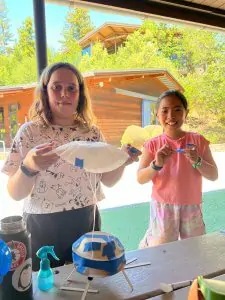
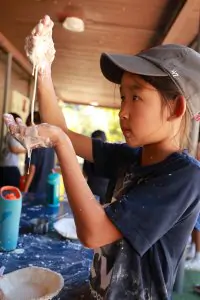
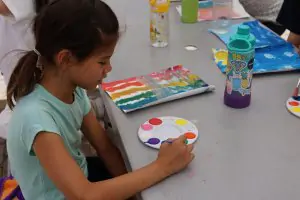
As spring unfolds and the world awakens with fresh energy, it’s the perfect time to celebrate creativity. Just as nature blooms, so too does the imagination—especially at camp! Camps are more than just places for outdoor adventure; they serve as incubators for creativity and self-expression, helping kids discover new ideas, talents, and ways to see the world.
According to Camping Magazine, camps provide a unique environment where children are free to explore, create, and express themselves without the pressures often found in school or structured extracurricular activities. This freedom to imagine and innovate is what makes camp such a transformative experience.
Why Camp Fuels Creativity
At camp, creativity isn’t confined to an art class or a music room—it’s woven into every aspect of the experience. From group challenges to individual expression, campers have countless opportunities to think outside the box and experiment with new ideas. Here’s how:
- Unstructured Play – Unlike school, where schedules are tight and tasks are assigned, camp provides open-ended activities where kids make their own rules. Whether they’re building forts, inventing new games, or creating skits, this type of play encourages problem-solving, imagination, and collaboration.
- Hands-On Learning – Campers learn by doing. From friendship bracelets to tie-dye shirts, they explore their creativity through tactile experiences that help build confidence and curiosity.
- Outdoor Inspiration – Research shows that spending time in nature enhances creativity by reducing stress and boosting cognitive function. At camp, the natural world becomes a canvas—kids draw inspiration from the patterns of leaves, the colors of the sunset, or the stories told around the campfire.
Creative Activities That Spark Imagination
Camps offer a variety of activities that encourage kids to express themselves in new and exciting ways. Some favorites include:
- Storytelling & Theater – Campfires aren’t just for roasting marshmallows—they’re the perfect setting for silly songs, funny improv games, and original plays. Acting and storytelling build confidence and communication skills while allowing campers to step into different roles.
- Art in Nature – Whether it’s painting with natural pigments, making leaf prints, or crafting dream catchers, using nature as a medium encourages creativity while fostering a deeper appreciation for the environment.
- Music & Rhythm – Drumming circles, camp songs, and DIY instruments allow campers to explore sound and movement in an expressive way, even if they don’t have formal musical training.
- Design Thinking Challenges – Activities like building a bridge out of sticks or designing an “ultimate” fort push campers to problem-solve creatively. Working together, they experiment, fail, and try again—key aspects of innovation.
The Lasting Impact of Camp Creativity
The best part about creative exploration at camp? It doesn’t end when summer is over. The confidence and curiosity kids develop carry into their daily lives. Many campers continue drawing, writing, performing, or inventing long after camp ends, finding new ways to integrate creativity into their schoolwork, hobbies, and even future careers.
As spring awakens new possibilities, let’s encourage kids to embrace their creativity—not just in structured ways, but in messy, joyful, limitless ways. Because at camp, every day is an opportunity to dream, imagine, and create something new.
Gratitude and Empathy: Lessons Beyond the Campfire
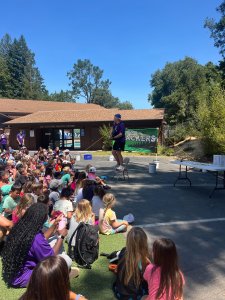
At camp, kids build more than just physical skills and friendships—they develop the emotional tools needed to navigate life with kindness and understanding. Two of the most valuable lessons campers take home are empathy and gratitude—qualities that shape their relationships, build resilience, and create a more compassionate world.
As Random Acts of Kindness Day (Feb. 17) a few days ago, reminds us, small moments of generosity and care can have a profound impact. At camp, these values are woven into daily life through activities designed to encourage perspective-taking, teamwork, and appreciation.
How Camp Builds Empathy
Empathy—the ability to understand and share the feelings of others—is a cornerstone of strong relationships. According to the Greater Good Science Center, children develop empathy through real-world experiences where they interact, problem-solve, and collaborate with others. Camp provides countless opportunities for this growth:
- Team Challenges & Group Games – Activities like scavenger hunts, relay races, and problem-solving games require kids to consider others’ strengths and feelings, fostering cooperation and patience.
- Perspective-Taking Exercises – Role-playing games and storytelling activities encourage campers to put themselves in someone else’s shoes, helping them see the world from different viewpoints.
- Buddy Systems & Mentorship – Pairing younger campers with older ones creates a sense of responsibility and connection, helping kids recognize the impact of kindness and support.
When children engage in these activities, they develop emotional intelligence, learning how to listen, communicate, and support others in meaningful ways.
The Role of Gratitude in Camp Culture
Gratitude goes hand-in-hand with empathy, teaching kids to appreciate the people and experiences that bring joy to their lives. At camp, gratitude is often expressed in simple yet impactful ways:
- Daily Reflection Circles – Many camps incorporate “highs and lows” or “gratitude circles,” where campers share something they’re thankful for, helping them recognize the good in their day.
- Thank-You Notes & Kindness Cards – Writing notes to counselors, teammates, or friends fosters appreciation and reminds kids of the importance of acknowledging others.
- Nature Appreciation Activities – Whether it’s a quiet moment on a hike or a group discussion about respecting the environment, campers learn to be grateful for the world around them.
Research shows that practicing gratitude not only improves happiness but also strengthens relationships and reduces stress. When campers take time to express appreciation, they build a positive mindset that carries into their daily lives.
Kindness in Action: Bringing Lessons Beyond the Campfire
The best part about empathy and gratitude? They don’t stay at camp—they travel home with campers, shaping how they treat others in school, at home, and in their communities. Simple actions, like helping a friend, writing a thank-you note, or including someone new, are everyday ways kids can practice what they’ve learned.
Let’s celebrate the power of small gestures because at camp and beyond, a little kindness goes a long way—and will last a lifetime.
The Role of Friendship and Community in Day Camp: Building Lifelong Bonds
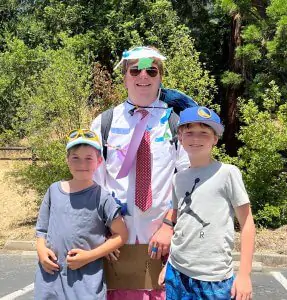
As Valentine’s Day approaches, we often think about love in terms of romance. But this season is also about friendship, connection, and the joy of being part of a community. For many kids, day camp is one of the most powerful places to build these relationships, providing an environment where friendships grow naturally through shared experiences, teamwork, and play. Even though campers don’t sleep over, the time they spend together each day fosters deep social connections that can last a lifetime.
How Day Camp Fosters Social Growth
Unlike school, where friendships can be limited to classroom interactions or structured activities, day camp is designed for constant social engagement. From the moment campers arrive, they are interacting—whether it’s playing a morning icebreaker game, working together in an activity, or laughing over lunch. These experiences create a sense of closeness that builds quickly and strengthens over time.
Research from the Child Encyclopedia on Social Development highlights the importance of peer relationships in childhood, noting that positive social experiences help children develop emotional intelligence, empathy, and communication skills. Day camp provides these experiences in abundance:
- Encouraging Teamwork – Group activities like relay races, art projects, and adventure challenges teach campers how to collaborate and support one another.
- Building Emotional Awareness – With a mix of ages and personalities, campers learn to navigate friendships, recognize emotions in others, and develop empathy.
- Fostering Independence – Without parents or teachers stepping in, campers make their own decisions about how to engage with others, resolve conflicts, and build relationships.
Even in a short camp session, kids gain social skills that help them beyond camp, improving their ability to make friends at school, on teams, and in other social settings.
The Power of Community in Day Camp
While campers may only be together for a few weeks, the day camp experience creates a strong sense of belonging. Each day starts with familiar faces, encouraging words from counselors, and the excitement of learning something new. Over time, campers begin to see themselves as part of a larger community where they are valued and accepted.
Day camp cultivates this feeling of connection in a variety of ways:
- Daily Routines and Traditions – Songs, cheers, and group games create a fun and familiar environment where campers feel safe and included.
- Supportive Counselors – Older role models encourage positive interactions and help kids develop confidence in their social skills.
- Shared Accomplishments – Whether it’s completing an art project, mastering a new skill, or winning a friendly competition, these shared moments strengthen friendships.
Studies show that children who feel connected to a group are more resilient, confident, and socially adaptable. Even though day campers return home each night, they come back the next morning excited to see their friends, continue their adventures, and be part of a community that feels like home.
Friendship, Love, and Lifelong Bonds
Friendship is a form of love, and at day camp, it grows through high-fives after a big win, laughter during silly games, and the teamwork that turns strangers into best friends. Many campers stay connected long after summer ends, carrying their camp friendships into the school year and beyond.
This Valentine’s Day, let’s celebrate not only romantic love but the friendships that shape us. Because at camp, love is found in every shared moment, every supportive word, and every new friendship that begins with a simple “Do you want to play?”
Leadership and Teamwork: Life Lessons Learned at Camp
Leadership and Teamwork: Life Lessons Learned at Camp
Every summer, camps across the world transform into vibrant hubs of activity, laughter, and growth. Beyond the games, crafts, and activities, these special environments foster invaluable life lessons in leadership and teamwork. At Mountain Camp Woodside, we witness firsthand how campers develop these skills—building foundations that prepare them to lead, collaborate, and make a difference in their communities.
The Camp as a Learning Ground
A summer camp is more than just a place for fun and adventure; it is a microcosm of society. Here, campers encounter challenges that require collaboration, problem-solving, and clear communication. Whether it’s working together to create a dance, solving a scavenger hunt clue, or leading a group activity, campers are placed in real-world scenarios where leadership and teamwork are essential.
The Harvard Graduate School of Education’s report, Lessons from Camp, highlights the unique role camps play in teaching social and emotional skills. It emphasizes how these experiences help children learn to work with diverse groups, adapt to new situations, and practice empathy—all while building their confidence. Leadership and teamwork, key components of personal and professional success, are woven seamlessly into the camp experience.
Leadership in Action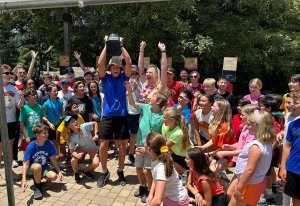
At camp, leadership isn’t confined to a title or a role—it’s a behavior. A camper who steps up to encourage a struggling teammate or takes the initiative to organize a game is practicing leadership. For many children, these moments provide their first taste of leading others and understanding the responsibility that comes with it.
Camp counselors also play an integral role in modeling leadership. As mentors, they guide the kids by demonstrating how to listen, support others, and make decisions under pressure. By observing and emulating their counselors, campers begin to develop their own leadership styles.
The Power of Teamwork
Camp life thrives on teamwork. From cleanup to group challenges, campers quickly learn the importance of working together to achieve shared goals. They discover how to compromise, value different perspectives, and contribute their unique strengths to the team.
Activities like building a raft, completing a group challenge, or putting on a talent show require coordination and trust among group members. Success isn’t just about individual effort; it’s about recognizing that every member of the team plays a crucial role.
A Timely Reflection: Honoring Dr. Martin Luther King Jr.
As we reflect on these themes of leadership and teamwork, it’s fitting to draw inspiration from Dr. Martin Luther King Jr., whose legacy reminds us of the power of working together for a common purpose. Dr. King’s vision of a better world was grounded in the belief that collective action and shared leadership could drive meaningful change.
At camp, we see echoes of this belief. When campers collaborate to overcome challenges or lead with kindness and inclusivity, they embody the very principles Dr. King championed. They learn that leadership isn’t about being the loudest voice but about bringing people together to achieve something greater.
Lifelong Impact
The leadership and teamwork skills honed at camp extend far beyond the summer months. Campers carry these lessons with them into school, sports, and future careers. They become leaders in their classrooms, teammates on the field, and, eventually, contributors to their communities.
At Mountain Camp Woodside, we’re proud to play a part in this transformative journey. By fostering an environment where leadership and teamwork flourish, we’re helping to shape the next generation of leaders—individuals who, like Dr. King, understand the power of unity and collaboration in making a difference.
Why Summer Camps Matter: Building a Foundation for Growth and Development
With the beginning of the new year, many of us reflect on ways to grow, learn, and improve. While resolutions often focus on immediate goals, one decision can lay a long-term foundation for your child’s growth and development: summer camp. Backed by research, summer camps provide unique opportunities for children to develop skills, foster friendships, and grow emotionally, mentally, and socially in ways that set the stage for lifelong success.
A Place to Grow
The American Camp Association’s (ACA) National Camp Impact Study highlights that summer camps are more than just a fun way to spend a few weeks—they are transformative experiences. The study found that camps foster critical life skills such as independence, problem-solving, and resilience. These skills are cultivated in an environment where children step out of their comfort zones, take on new challenges, and learn to navigate situations independently.
Similarly, research from the Greater Good Science Center at UC Berkeley emphasizes the role of experiential learning in child development. Camps provide hands-on experiences where children learn by doing, whether it’s working as part of a team to solve a scavenger hunt clue, building a shelter in a survival skills class, or learning how to paddle a canoe. These experiences teach perseverance and adaptability in ways that traditional classroom settings often cannot.
The Gift of Friendship and Community
Summer camps are also a breeding ground for social growth. The ACA’s findings show that camp environments foster a sense of belonging and community, helping children develop empathy and social skills. In a world increasingly dominated by screens, the face-to-face interactions at camp encourage kids to form deep, meaningful connections with peers from diverse backgrounds.
These connections often lead to lifelong friendships and create a support system that extends far beyond the campgrounds. For many children, camp becomes a second home where they feel valued, understood, and supported.
A Safe Space for Personal Growth
Camps provide a safe and structured environment for kids to take risks, make mistakes, and grow from them. Whether it’s trying out for a talent show, climbing to the top of a rock wall, or leading a group project, camps encourage kids to push past fear and build confidence. These small victories accumulate, reinforcing a positive self-image and a can-do attitude that stays with them long after camp ends.
Tying It All Together: A Resolution for Growth
As you plan your family’s year ahead, consider how summer camp can align with your New Year’s resolutions for your child. Want them to grow more confident? Build better social skills? Learn resilience and independence? Camp can be the answer whether it is Mountain Camp Woodside or another accredited camp. It’s not just a fun experience—it’s an investment in your child’s future.
As we step into this new year with optimism and ambition, now is the perfect time to look ahead and secure a spot at camp. (Right now, is when we have our lowest “winter rates” and plenty of availability.) Give your child the chance to thrive, grow, and create memories that will last a lifetime. Because when it comes to personal development, there’s no better resolution than giving them the tools to shine.